How to change vpn on microsoft edge 2026
How to change VPN on Microsoft Edge: switch your VPN with a few quick steps, and you’re back to browsing securely. Quick fact: Edge uses system-provided VPN settings or its own extensions, so you can change how you’re connected in just moments. Here’s a concise guide to getting it done, plus practical tips and common pitfalls.
Step-by-step guide:
- Decide if you’ll use a VPN extension or the system VPN.
- If using an extension, install the one you trust from the Edge Add-ons store.
- If using system VPN, choose a VPN app and configure its settings in Windows.
- Toggle VPN on or off as needed.
- Verify your IP to ensure the VPN is working.
Quick tips:
- Always use a reputable VPN provider.
- Check for DNS leaks after connecting.
- Use split tunneling if you only want certain traffic on VPN.
- Remember that some sites block VPN traffic, so you might need to switch servers.
Useful URLs and Resources text only:
- Edge support - microsoft.com
- VPN extensions in Edge Add-ons - microsoft.com/edge
- Windows VPN settings - support.microsoft.com
- VPN providers list - en.wikipedia.org/wiki/Virtual_private_network
- DNS leak test - dnsleaktest.com
- WhatIsMyIP - whatismyipaddress.com
- Privacy basics - eff.org
- Firewall settings - support.microsoft.com
- Network reset guide - support.microsoft.com
- Quick troubleshooting VPN - reddit.com/r/VPN
Understanding VPNs and Edge
A VPN virtual private network creates a secure tunnel between your device and the internet. It masks your IP address, encrypts traffic, and can help you bypass geo-restrictions. Microsoft Edge can use two main approaches to VPN: browser extensions Edge Add-ons or the system-wide VPN settings on Windows. Most people find extensions easier because they don’t change all network traffic, just what you route through the browser. If you want all traffic to go through the VPN, use the Windows system VPN.
Pros of VPN extensions:
- Quick to enable/disable
- Easy to switch servers within the browser
- No impact on other apps
Pros of system VPN:
- Protects all traffic on your device
- Centralized connection management
- Often faster for large downloads
How to Change VPN on Edge: Two Main Approaches
Method A: Use a VPN Extension in Edge
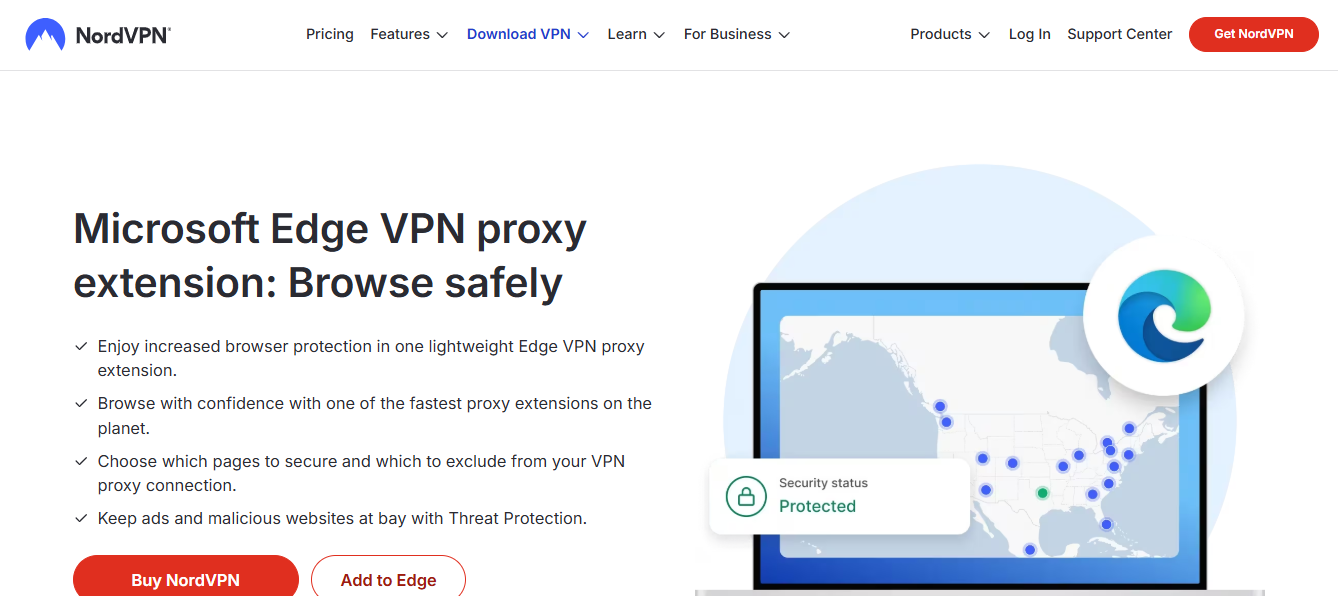
- Pick a reputable VPN provider and install their Edge extension.
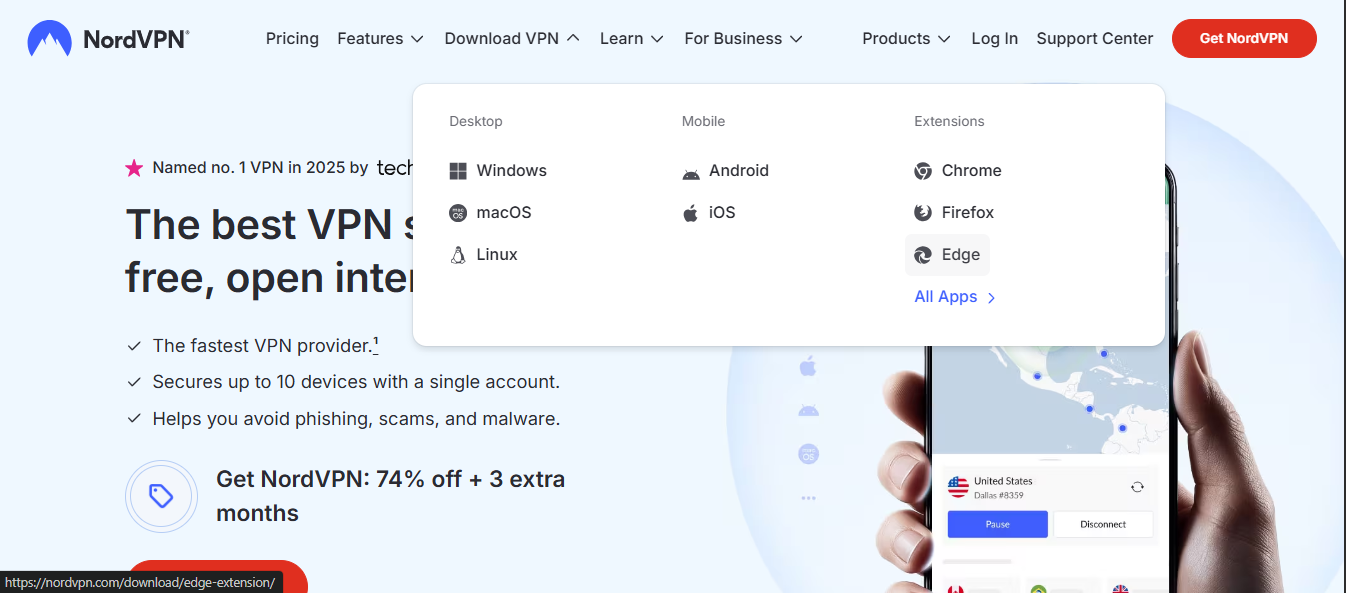
- Open Edge, click the extensions icon puzzle piece in the top-right.
- Find your VPN extension and pin it for easy access.
- Sign in to the extension, then choose a server/location.
- Connect. The extension will show a connected status.
- Test your connection by visiting a site that shows your IP, or use a DNS leak test.
- Common caveats:
- Some extensions slow down browsing; try a server closer to you.
- Extensions may require separate login per device.
- Not all VPN features may be available inside the extension.
- Common caveats:
Method B: Use Windows System VPN Protects all traffic
- Install your VPN app from the provider’s website.
- Open Windows Settings > Network & Internet > VPN.
- Click “Add a VPN connection.”
- Choose the VPN provider from the drop-down or fill in the required info manually.
- Enter the connection name, server address, VPN type, and sign-in info username/password, certificate, or a one-time code.
- Save, then select the VPN connection and click “Connect.”
- Confirm the connection status in the VPN settings and check your IP.
- Pros:
- All traffic is routed through the VPN
- Centralized control for multiple apps
- Pros:
- May require more setup time
- Could impact device performance during heavy use
Quick Troubleshooting If VPN Isn’t Working
- Verify the VPN is connected: Check the VPN status in Edge for extensions or Windows for system VPN.
- Check for DNS leaks: Run a DNS leak test to confirm DNS queries aren’t bypassing the VPN.
- Change server: Some servers may be overloaded or blocked by sites.
- Disable IPv6: Some VPNs don’t handle IPv6 well; try disabling IPv6 in network settings.
- Check firewall/antivirus: Sometimes security software blocks VPN traffic.
- Reinstall the extension or VPN app: Corrupted files can break connections.
- Ensure Edge isn’t forcing a proxy: Go to Edge settings > System and performance > Open your computer’s proxy settings.
Features to Look for in a VPN
- No-logs policy: Privacy-focused providers don’t store browsing data.
- Strong encryption: AES-256 or equivalent.
- Kill switch: Stops all traffic if the VPN disconnects.
- DNS leak protection: Prevents DNS queries from leaking outside the VPN.
- Multi-hop or obfuscated servers: For additional privacy.
- Fast speeds and reliable uptime: Essential for streaming and gaming.
- Easy browser integration: Extensions that work well in Edge.
Compare Popular VPN Options for Edge
- VPN Extension vs. System VPN
- Extension: Quick to enable, browser-wide control limited to Edge traffic.
- System VPN: Broad protection, higher setup effort, may affect all apps.
- Price range: Budget plans often around $3–$12/month with annual discounts; premium plans can be higher but offer more servers and advanced features.
- Server spread: Look for providers with servers in the regions you need.
- Privacy: Check for independent audits, transparent privacy policies.
Security Considerations When Using VPNs in Edge
- Use reputable providers with a clear privacy policy.
- Enable kill switch if your VPN supports it.
- Be aware that some sites can detect VPN traffic and block access.
- Avoid free VPNs; they can sell data or inject ads.
- Keep Edge and your VPN extension up to date to patch security flaws.
Practical Scenarios: When to Change VPN in Edge
- Accessing region-locked content e.g., streaming libraries not available in your country.
- Enhancing privacy on public Wi-Fi networks.
- Bypassing censorship in certain regions where legal.
- Avoiding throttling by ISPs for certain activities like streaming.
How to Verify Your VPN Change Works
- Use a reputable IP checker site to confirm your IP geolocation matches your chosen server.
- Run a speed test to compare performance before and after connecting.
- Check for DNS leaks with a leak test site.
- Verify that your browser traffic is encrypted by checking the VPN’s status indicator in the extension.
Best Practices for a Smooth VPN Experience in Edge
- Restart Edge after installing or updating a VPN extension for it to register correctly.
- Clear Edge cache if you notice odd behavior after switching servers.
- Use split tunneling if supported, so only sensitive sites go through VPN.
- Keep a few backup servers handy in case your primary server becomes slow or blocked.
- Regularly update VPN software and Edge to the latest versions.
Accessibility and Usability Tips
- Keyboard shortcuts: Learn your extension’s quick connect/disconnect shortcuts.
- Pinned extensions: Pin the VPN extension for faster access.
- Mobile continuity: If you’re using Windows and mobile devices, pick a provider with cross-device support.
Data Privacy and Legal Considerations
- Understand the laws in your country about VPN usage.
- Some services disallow VPN use in their terms; be mindful of terms of service.
- Use a provider with a transparent privacy policy and independent audits when possible.
Advanced Tips for Power Users
- Configure a custom DNS within the VPN app to prevent leaks.
- Use a trusted password manager to secure VPN credentials.
- Enable two-factor authentication on your VPN account.
- If you’re tech-savvy, set up split tunneling rules to route only specific apps or sites through the VPN.
Common Myths Debunked
- VPNs make you completely anonymous: They improve privacy, but not perfect anonymity.
- All VPNs are slow: Quality providers offer fast speeds; server location matters.
- You don’t need a VPN for Edge: If you want browser-level privacy and location masking, a VPN helps.
Maintenance Checklist
- Weekly: Check for VPN app/extensions updates.
- Monthly: Review connected server locations and test your IP.
- Quarterly: Reassess your VPN provider if you notice persistent performance issues.
Real-World User Scenarios
- Student traveling abroad: Use Edge extension to access local streaming libraries.
- Remote worker: Use system VPN to protect all work-related traffic on a corporate network.
- Gamer: Choose a fast server, enable kill switch, and test latency.
Tools and Resources to Help You
- VPN comparison guides and reviews from trusted tech sites.
- Edge extensions for popular VPN providers.
- DNS leak testing tools to ensure privacy.
- Online forums and communities for troubleshooting VPN issues.
Frequently Asked Questions
How do I enable a VPN extension in Microsoft Edge?
To enable a VPN extension in Edge, open Edge, click the extensions icon, find your VPN extension, and turn it on after signing in. Then select a server and connect. Hola vpn microsoft edge extension 2026
What’s the difference between Edge extensions and Windows VPN?
Edge extensions only route browser traffic through the VPN, while Windows VPN routes all network traffic on the device. Extensions are quicker to set up; system VPNs provide broader protection.
Can I use multiple VPNs at once in Edge?
Typically you should use one VPN at a time per device. Some advanced setups may allow proxy chaining, but most providers don’t support concurrent VPN connections on the same device.
How can I test that my VPN is working in Edge?
Visit an IP-check website or a DNS leak test. Your displayed IP should reflect the VPN server’s location, and DNS should not reveal the original location.
Why is my VPN slow in Edge?
Server distance, server load, and protocol choice affect speed. Try a closer server, switch protocols, or enable a faster server option from your VPN app.
Is it safe to use free VPNs in Edge?
Free VPNs often come with data limits and may log or sell your data. It’s safer to invest in a reputable paid VPN service with a clear privacy policy. Free vpn proxy edge 2026
Can I bypass geo-restrictions with Edge VPN?
Yes, many VPNs offer servers in multiple countries which can help access geo-restricted content. Some sites actively block VPN IPs, so you may need to switch servers occasionally.
Do VPNs protect against malware and phishing?
Some VPNs include added features like malware blocking or phishing protection, but a VPN primarily protects privacy and encryption, not malware.
Should I disable IPv6 when using a VPN in Edge?
If your VPN has IPv6 leaks, disabling IPv6 in Windows network settings can help prevent leaks. Check your VPN’s guidance for best practices.
How do I disconnect the VPN in Edge?
For extensions, click the extension icon and press Disconnect. For system VPN, go to Windows Settings > Network & Internet > VPN, select the connection, and click Disconnect.
Can I set Edge to always use a VPN?
You can configure Windows to connect to a VPN automatically on startup, or use the VPN extension to connect when you start Edge. Some providers offer auto-connect options within the app. Free vpn for chrome edge best free VPN extensions for Chrome and Edge in 2026
What should I do if I’m blocked from a site when VPN is on?
Try a different server/location, clear cache, or temporarily disable VPN to access the site. Some sites actively block VPN IPs, requiring a change of server.
How to change vpn on microsoft edge: a comprehensive step-by-step guide to switching vpn extensions, configuring system vpn, and optimizing privacy in Edge for streaming, security, and fast browsing
You change VPN on Microsoft Edge by installing a VPN extension from the Edge Add-ons store or by switching your device’s system VPN to a different server and letting Edge use that connection. This guide will walk you through two main paths Edge extensions and system VPN, plus practical tips, troubleshooting, and privacy considerations so you can pick the best approach for your needs. Along the way, you’ll get real-world tips, checklists, and quick actions you can reuse for future changes. If you’re in a hurry to get started, check out this NordVPN deal for fast, reliable protection: NordVPN deal - 77% OFF + 3 Months Free via the image above. It’s a solid option for Edge users who want a seamless VPN experience across devices. You can also explore more options in the resources section at the end of this post.
Introduction at a glance
- What you’ll learn: two main methods to change VPN in Edge, how to switch servers, and how to test your connection.
- Why it matters: Edge can use both browser-level VPN extensions and system-level VPNs, giving you flexible privacy and content access.
- Quick start: install an Edge VPN extension for quick switches, or configure a system VPN for broader protection that Edge will inherit automatically.
What you’ll get in this guide
- A practical, step-by-step path to change or switch VPNs in Microsoft Edge
- A comparison of Edge extensions vs. system-level VPNs, with pros and cons
- Real-world tips to reduce lag, improve streaming quality, and protect privacy
- A robust FAQ with common questions and clear answers
Body Edgerouter vpn firewall rules 2026
Why you might want to change VPN in Microsoft Edge
VPNs in Edge serve two main purposes: privacy and access. Some users want to mask their IP address while browsing, guard data on public Wi-Fi, or bypass regional content restrictions. Others need a quick way to switch servers for streaming, gaming, or research across different regions. Edge supports both browser-based extensions and system-wide VPNs, so you have options:
- Edge extensions: Easy to install, quick to switch servers, minimal setup.
- System VPN: Whole-device protection, works across all apps, including Edge, but slower to switch if you’re only targeting Edge traffic.
From a data perspective, the VPN market continues to grow as more people demand privacy and secure access. Industry analyses show a rising adoption of consumer VPN services for personal privacy, with many users citing streaming access and secure browsing on public networks as primary drivers. As you read, you’ll see practical steps you can implement today to get the right balance between speed and protection.
Understanding Edge extensions vs. system VPN
Edge extensions are small software modules you install from the Edge Add-ons store. They route Edge traffic through the VPN’s servers and are ideal for quick, browser-level changes. You can have multiple extensions and switch between them with a click.
System VPNs configure a VPN at the device level. This means all traffic from Windows, not just Edge, goes through the VPN. If you’re using other apps, a system VPN ensures uniform security, but you’ll typically need to disable or adjust per-app VPN rules if you want Edge-specific behavior.
Key differences at a glance: Edgerouter lite l2tp vpn setup 2026
- Speed and latency: Extensions are usually faster to switch. system VPNs may introduce more latency, depending on the server.
- Scope: Extensions affect only Edge unless you route all traffic with a system setting. system VPN affects everything on the device.
- Setup: Extensions require Edge-specific installation. system VPN requires network settings or a VPN client installed on Windows.
- Management: Extensions are easier to manage per-browser session. system VPNs require global changes, which may affect other apps.
Statistically, many Edge users prefer extensions for short, browser-specific tasks and use system VPNs when they need consistent protection across apps. If you’re new to VPNs, starting with an Edge extension is a low-friction approach to understand how VPNs affect your browsing.
How to change vpn on microsoft edge using Edge extensions
This path is the quickest and cleanest way to switch VPNs specifically for Edge. Here’s a practical, step-by-step guide.
Step 1: Open Edge and access the Add-ons store
- Open Microsoft Edge.
- Click the three-dot menu in the upper-right corner.
- Choose Extensions, then click Get extensions from Microsoft Edge Add-ons.
Step 2: Choose a VPN extension
- Look for reputable VPN extensions with solid reviews. Popular picks include options like NordVPN, ExpressVPN, Surfshark, and Proton VPN, among others.
- Check for features that matter to you: kill switch, split tunneling, logging policies, and server availability.
Step 3: Install and sign in
- Click Get to install the extension.
- After installation, pin the extension to the toolbar for easy access.
- Sign in with your VPN account or create one if you don’t have it yet.
Step 4: Connect to a server
- Open the VPN extension from the toolbar.
- Select a country or city/server you want to connect to.
- Confirm the connection. you’ll usually see a VPN icon change color or a status indicator.
Step 5: Verify the connection
- Visit a site like whatismyipaddress.com to confirm your IP address and location reflect the chosen server.
- If you have streaming needs, try a region-locked service to verify access.
Step 6: Manage settings for Edge
- Enable features like the kill switch if available in the extension to prevent data leaks during connection drops.
- Consider enabling auto-connect on startup or when you join public networks.
- Review the extension’s privacy policy and data handling practices.
Step 7: Switch servers and test performance
- When you need a different location, open the extension, disconnect, and connect to another server.
- Keep an eye on ping and download speeds. switching servers can impact streaming and browsing quality.
How to change vpn on microsoft edge using system VPN Windows
If you want Edge to ride on a system-wide VPN, you’ll set up a VPN in Windows and ensure Edge uses it by default.
Step 1: Choose a VPN provider and plan
- Pick a reputable provider with Windows clients, fast servers, strong encryption, and transparent privacy policies.
- Ensure the provider supports common protocols OpenVPN, WireGuard, IKEv2 for flexibility.
Step 2: Install the VPN client
- Download the VPN client from the provider’s website.
- Install it following the on-screen prompts.
- Some providers also offer built-in Windows VPN profiles that you can import.
Step 3: Configure a VPN profile if not using a dedicated app
- Open Settings > Network & Internet > VPN > Add a VPN connection.
- Fill in the details: VPN provider Windows built-in or your provider, connection name, server address, VPN type, and sign-in info username/password, certificate, or a pre-shared key.
- Save the profile.
Step 4: Connect and verify
- Go to the VPN settings and pick the profile you created.
- Click Connect, then verify your new IP on whatismyipaddress.com or similar tracker.
Step 5: Configure Edge to rely on the system VPN
- Edge will automatically route traffic through the system VPN when the VPN is connected.
- If you want to ensure Edge uses the VPN for all traffic, avoid per-site proxies that bypass the VPN.
Step 6: Optional per-app VPN rules
- Some VPNs offer per-application routing. check the provider’s app for “per-app” split tunneling options.
- If you only want Edge to use the VPN, disable per-app exceptions for other apps temporarily.
How to choose the right VPN for Edge
Selecting a VPN is about balancing speed, reliability, privacy, and access needs.
Factors to consider
- Privacy and governance: Look for a no-logs policy, independent audits, and a transparent privacy stance.
- Speed and latency: Choose servers with low ping and reliable throughput, especially if you’re gaming or streaming.
- Server network: A broad range of servers across many countries helps with geo-unblocking.
- Security features: Kill switch, DNS leak protection, and robust encryption AES-256 are important.
- Client quality: A well-designed Edge extension or Windows app, intuitive UI, and responsive support matter.
- Compatibility: Ensure the VPN works well with Edge on Windows and, if needed, other devices iOS, Android, macOS.
Practical tip
- Start with a provider that offers a trial or money-back guarantee, so you can test performance with Edge-specific tasks like streaming, browsing, and downloads.
Privacy, security, and Edge-specific considerations
- Data leaks risk: If a VPN connection drops, your real IP could be exposed. Use a kill switch if available.
- DNS leaks: Some VPNs may leak DNS requests. enable DNS leak protection in the extension or app.
- WebRTC leaks: WebRTC can reveal IP addresses even when a VPN is on. disable WebRTC in Edge via about:flags or extension settings if you’re highly privacy-conscious.
- Browser fingerprinting: VPNs don’t fully anonymize you. Use additional privacy measures like private browsing modes and regular browser hygiene.
- Logging policies: Prefer providers that publish clear no-logs policies and avoid services with data-sharing concerns.
Data you might use for context How to use vpn in edge: complete guide to using VPN extensions, configuring system-wide VPN, and privacy on Microsoft Edge 2026
- Global VPN market size and growth: Analysts note strong demand for consumer VPNs as privacy concerns and streaming geo-restrictions rise.
- User behavior: A significant portion of VPN users rely on extensions for quick access and per-browser control, while many still rely on system VPNs for comprehensive protection.
- Security best practices: Modern VPNs use AES-256 encryption with secure tunneling protocols. kill switches and DNS protection are common expectations.
Troubleshooting: common issues and quick fixes
If you run into problems when changing VPNs in Edge, these tips can save you time.
VPN extension issues
- Extension not showing online: Reload Edge, re-open the extension, or reinstall the extension.
- Connection drops: Turn on the kill switch, switch servers, or clear browser cache to reset sessions.
- WebRTC leaks: Disable WebRTC in Edge settings or use a privacy-focused extension to mitigate leaks.
System VPN issues
- VPN won’t connect: Check credentials, server address, and protocol. try a different server.
- Slow speeds: Switch to a closer server or a different protocol e.g., WireGuard.
- DNS leaks: Ensure DNS leak protection is enabled in the VPN app. flush DNS cache if needed.
Edge-specific quirks
- Extensions causing page slowdowns: Disable other extensions you don’t need, or use a lighter VPN extension.
- Edge profiles and sign-ins: If you’re signed into your Microsoft account, ensure there’s no conflict with extension permissions.
How to test and verify VPN performance in Edge
Testing helps you ensure that your VPN setup is actually giving you the privacy and access you expect.
- IP check: Use whatismyipaddress.com to confirm your visible IP matches the chosen server.
- Location accuracy: Open geo-restricted content to verify you appear as the intended location.
- Speed tests: Run a quick speed test e.g., speedtest.net with VPN on and off to measure impact.
- Streaming reliability: Try a 1080p or 4K stream to ensure buffering doesn’t ruin your experience.
- Security checks: Visit DNS leak test sites and WebRTC test pages to verify protections are active.
Edge-specific tips for streaming, gaming, and heavy browsing
- For streaming: Prefer VPN servers in countries known for fast content delivery networks and strong unblocked streaming support.
- For gaming: Lower latency servers closer to your location typically perform better. avoid congested hubs during peak hours.
- For work and privacy: Use a no-logs provider and ensure corporate compliance if you’re on a work device.
Speed and performance optimization tips
- Choose a smaller but high-quality server network you trust, rather than bouncing between many servers.
- Enable the fastest protocol supported by your network e.g., WireGuard or OpenVPN with modern ciphers.
- Turn off unnecessary Edge features that might slow down page loads, like excessive extensions or heavy content blockers when testing VPN performance.
- Clear cache and cookies if you notice inconsistent performance after switching servers.
Edge on mobile: do’s and don’ts
- If you browse on mobile Edge, you can still use Edge extensions on Android via the Edge app’s add-ons where available or rely on system VPN on iOS/Android.
- On mobile, a system VPN tends to handle background tasks more consistently, but make sure to manage battery usage and background data allowances.
- Test on mobile networks 4G/5G as well as Wi-Fi to gauge performance across environments.
Security best practices when using VPN with Edge
- Keep your VPN client updated to the latest version for security patches.
- Use a strong, unique password for your VPN account and enable multi-factor authentication if available.
- Regularly review which devices are connected to your VPN account and revoke access if you don’t recognize a device.
- Consider multi-hop VPN configurations if you need additional layers of privacy.
Advanced configurations and workflows
- Per-site rules split tunneling: Some VPNs let you exclude certain sites from the VPN tunnel. This can be useful for local services or intranet resources.
- Proxy vs. VPN: If you only need to bypass a local restriction for specific sites, a proxy in Edge could be a lighter option, but VPNs offer encrypted tunnels which proxies don’t.
- Guest profiles: For shared devices, create a separate Windows user profile and configure a VPN specifically for that profile to protect family members’ browsing.
Resource list and recommended next steps
- Install a trusted Edge VPN extension and test multiple servers to compare speeds and access.
- If you want a broader, system-wide solution with consistent performance, set up a reliable Windows VPN profile.
- Keep your Edge browser and extensions updated to ensure compatibility with VPN features.
Unclickable useful URLs and resources
- Edge support and tips - support.microsoft.com
- WhatIsMyIP address checker - whatismyipaddress.com
- VPN review and privacy guidance - en.wikipedia.org/wiki/Virtual_private_network
- NordVPN official site - nordvpn.com
- ExpressVPN official site - expressvpn.com
- Surfshark official site - surfshark.com
- Proton VPN official site - protonvpn.com
- Windows VPN setup guide - support.microsoft.com
- OpenVPN project - openvpn.net
- WireGuard project - www.wireguard.com
Frequently Asked Questions
Frequently Asked Questions
How do I know if my VPN is active in Microsoft Edge?
When you connect via an Edge extension, you’ll see a VPN icon in the Edge toolbar indicating an active connection. If you’re using a system VPN, you’ll see the VPN indicator in Windows taskbar, and Edge traffic will route through the VPN as long as the connection is active. How to use vpn microsoft edge 2026
Can I use multiple VPNs in Edge at the same time?
In practice, you should not run two VPNs simultaneously for the same traffic because it often creates conflicts, leaks, or routing loops. Use one VPN extension or one system VPN at a time. You can switch between them as needed.
Do I need a VPN extension if I already use a Windows VPN?
If you want Edge-specific control, a VPN extension can give you quick server switches within the browser. A system VPN covers all apps, including Edge, and is useful if you want universal protection on the device.
How do I switch VPN servers quickly in Edge?
Open the VPN extension from the Edge toolbar, choose a new server, and click Connect. If you’re using a system VPN, disconnect from the current server and reconnect to a different server in the VPN client.
Will changing VPN affect my streaming services?
Yes, it can. Some streaming services detect proxies or VPNs and block access. If your goal is to access content from a different country, choose a server known to work with your service and test playback.
How can I reduce VPN impact on speed?
Choose servers closer to your real location, use a fast protocol like WireGuard, and ensure the VPN plan provides sufficient bandwidth. Also, disconnect other devices using the VPN during peak times. How to enable vpn in microsoft edge using extensions, Windows VPN, and privacy tips for Edge browser 2026
What should I do if I get DNS leaks while using Edge with a VPN?
Enable DNS leak protection in your VPN extension or Windows VPN client, and consider using DNS over HTTPS DoH in Edge settings to minimize leaks.
Is a kill switch important for VPNs in Edge?
Absolutely. A kill switch stops all network traffic if the VPN connection drops, preventing IP leakage. Enable it in the extension or VPN client settings if available.
Can I use VPNs on public Wi-Fi networks with Edge?
Yes. In fact, Edge users often rely on VPNs when connecting from coffee shops or airports to protect data on public networks. Always use a VPN on unsecured networks for best protection.
How do I securely enable Edge extensions without compromising privacy?
Only install extensions from reputable sources and review permissions before enabling them. Keep extensions minimal and disable those you don’t actively use to minimize potential security risks.
八 戒 vpn 怎么 样:全面评测与使用指南,速度、隐私、功能、设备兼容、价格对比与实战技巧 Hoxx vpn proxy chrome extension 2026