How to enable vpn in microsoft edge using extensions, Windows VPN, and privacy tips for Edge browser 2026
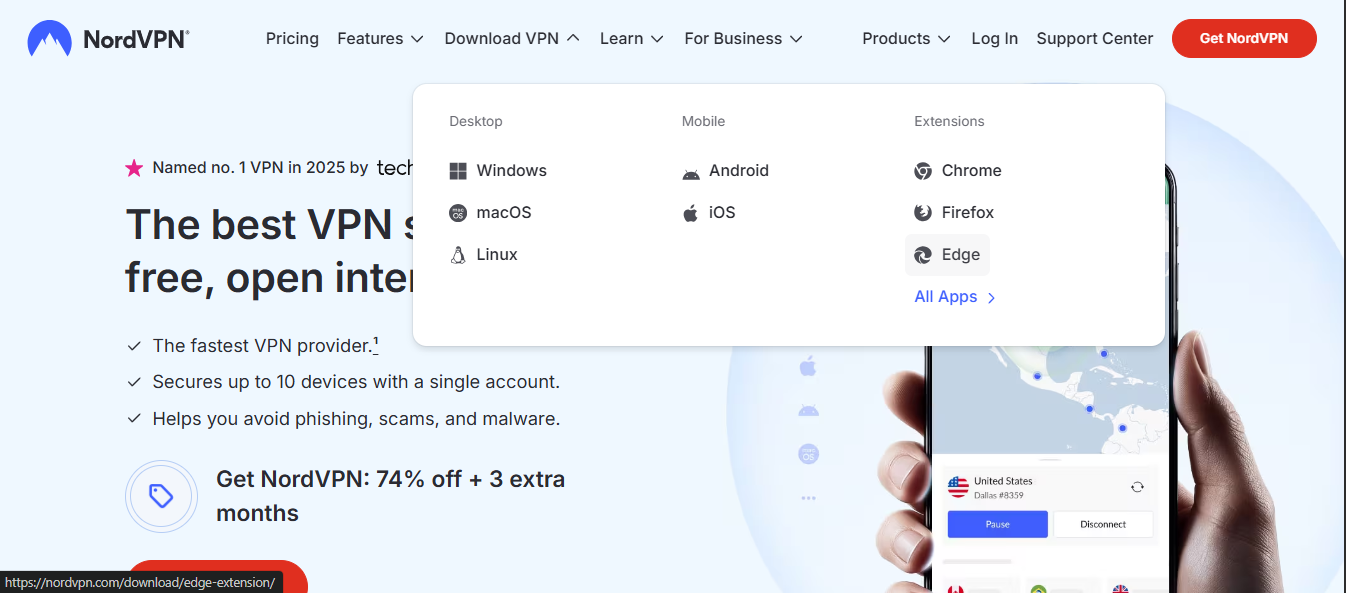
How to enable vpn in microsoft edge using extensions windows vpn and privacy tips for edge browser? Here’s a quick, practical guide to get VPNs working in Edge, plus privacy tips to keep your data safe online. This post includes a mix of step-by-step instructions, quick cheats, and solid background info so you can choose the right approach for you.
A quick fact: you can add a VPN to Microsoft Edge using extensions or built-in Windows VPN settings, and you don’t have to switch browsers to stay private online. This guide covers two main paths—Edge extensions that act as VPNs and Windows VPN configurations you can use from Edge—plus privacy tips to help you browse with more control.
What you’ll learn
- How to enable a VPN in Microsoft Edge using extensions
- How to configure a Windows VPN that Edge can use
- Privacy best practices to protect yourself online
- Quick troubleshooting tips if VPNs aren’t working
- A resource list with useful readings and tools
If you’re in a hurry, skim the quick-start section below, then dive into the details for deeper understanding and options.
Quick-start: three simple paths to get started
- Edge extensions VPN add-ons
- Install a trusted VPN extension from the Microsoft Edge Add-ons store.
- Sign in, pick a server, and toggle the extension on.
- Test your IP to confirm you’re connected to the VPN.
- Windows built-in VPN works with Edge
- Create a Windows VPN connection in Settings > Network & Internet > VPN.
- Connect to the VPN, then open Edge to browse securely.
- Verify your IP is the VPN’s address.
- Privacy-first practices you should always use
- Enable tracking protection and block-third-party cookies.
- Use HTTPS everywhere and disable risky extensions.
- Regularly review app permissions and browser data.
What is a VPN and why use it with Edge?
- A VPN Virtual Private Network creates a secure path between your device and the internet. It hides your real IP address and encrypts traffic, which helps with privacy, security on public Wi‑Fi, and accessing geo-restricted content.
- Edge users can leverage VPNs either through extensions installed directly in the browser or through Windows’ system-wide VPN settings. Both methods route your traffic, but extensions affect only Edge, while Windows VPN can apply to all traffic from your device.
Section: Edge extensions to enable VPN Step-by-step
- Pick a reputable VPN extension
- Look for extensions with good reviews, clear privacy policies, and transparent logging statements.
- Examples include popular VPN providers’ Edge extensions and privacy-focused ones. Always verify the publisher and avoid shady options.
- Install the extension
- Open Edge > three-dot menu > Extensions > Open Microsoft Edge Add-ons.
- Search for the VPN extension by name.
- Click Get or Install to add it to Edge.
- Sign in and configure
- After installation, click the extension icon in the Edge toolbar.
- Sign in with your VPN account or create one if needed.
- Select a location/server and enable the VPN. Some extensions offer kill switch or auto-connect features—enable as desired.
- Verify the connection
- Visit a site that shows your IP for example, whatismyip.com to confirm you appear as the VPN server’s location.
- Check for DNS leaks by visiting dnsleaktest.com. If your DNS shows the VPN provider’s addresses, you’re good.
- Troubleshooting edge extension VPNs
- If the connection isn’t establishing, try a different server or protocol if the extension supports it.
- Disable other extensions that may interfere, especially privacy/privacy-related ones.
- Restart Edge or your computer, then attempt to reconnect.
- Ensure there are no conflicting security software settings blocking VPNs.
Section: Windows VPN configuration for Edge Step-by-step
- Create a Windows VPN profile
- Open Settings > Network & Internet > VPN.
- Click Add a VPN connection.
- For VPN provider, choose Windows built-in.
- Fill in the connection name and server address provided by your VPN service.
- Choose the VPN type and type of sign-in info username/password, certificate, etc.. Your VPN provider will supply these details.
- Connect to the VPN
- Go to Settings > Network & Internet > VPN, select the VPN you created, and click Connect.
- Enter any credentials if prompted, and ensure the connection shows as connected.
- Verify Edge traffic is routed
- With Windows VPN connected, open Edge and confirm your new IP via an IP-check site.
- If you use Edge-specific profiles or Windows’ per-app VPN rules, verify Edge uses the VPN as expected.
- Optional: configure a kill switch
- Some VPNs offer a system-wide kill switch to prevent traffic if the VPN drops. If your VPN provider includes this, enable it in the VPN app. Edge will automatically be protected by the system behavior.
- Troubleshooting Windows VPN
- If the VPN won’t connect, check your network status, server address, or authentication method.
- Make sure your Windows firewall isn’t blocking the VPN.
- Ensure you’re using the latest Windows updates and the latest VPN client version.
Section: Edge browser privacy tips beyond the VPN
- Enable tracking protection: Edge > Settings > Privacy, search, and services > Tracking prevention. Set to Balanced or Strict for stronger privacy.
- Control cookies: Block third-party cookies, or allow only from sites you trust.
- Use HTTPS-Only Mode: Edge can try to upgrade all connections to HTTPS for secure data transmission.
- Clear browsing data regularly: History, cookies, cached images, and passwords. Use the Clear browsing data tool on a schedule that fits your workflow.
- Review permissions: Edge may request location, camera, microphone, or notifications. Revoke unused permissions.
- Extensions hygiene: Install only necessary extensions from trusted developers. Periodically disable or remove unused ones.
Section: Network considerations and privacy trade-offs
- VPNs can impact speed due to encryption and distance to server. Choose a nearby server for better performance.
- Some streaming services block VPNs; if you need access, try a different server or a VPN that explicitly supports streaming.
- A VPN hides your IP from websites, but it doesn’t make you completely anonymous. Combine VPN use with strong passwords, MFA, and privacy-conscious browsing habits.
Section: Practical use cases and examples
- Public Wi-Fi safety: When connected to a cafe or hotel network, turn on the VPN extension or Windows VPN to protect your data.
- Bypassing geo-restrictions: Access content available in other regions, but be mindful of terms of service.
- Work-from-home security: Use VPNs to connect to your company network securely, with Edge handling web-based access and internal portals.
Section: Data privacy and compliance notes
- Logging policies vary by provider. Look for zero-logs policies if privacy is a priority.
- End-to-end encryption isn’t universal; verify the encryption standards used by your VPN.
- If you’re in a country with strict internet controls, ensure your use complies with local laws and your organization’s policies.
Section: Comparison: Edge extensions vs. Windows VPN
- Scope: Edge extensions affect only Edge; Windows VPN affects all traffic on the device.
- Control: Extensions may offer quick server changes and built-in features like a kill switch; Windows VPN offers broader system integration and potentially more stable connections.
- Privacy: Both can mask IP, but provider policies and DNS handling differ. Review each option’s privacy policy carefully.
Section: Best practices for using VPNs with Edge
- Use trusted providers with transparent privacy policies.
- Regularly update VPN apps and Edge browser to reduce security gaps.
- Combine VPN usage with privacy settings tracking protection, HTTPS, and cookie controls.
- Test your setup after major changes router updates, OS updates, or VPN app updates.
- Consider a privacy-focused browser profile for sensitive sessions.
Section: Common myths and clarifications
- Myth: A VPN hides all online activity from everyone. Reality: It hides your IP and encrypts traffic, but websites and services can still track you through other means if you give them data.
- Myth: VPNs guarantee perfect anonymity. Reality: VPNs reduce exposure, but true anonymity requires broader practices like secure passwords and cautious sharing of personal information.
- Myth: Free VPN extensions are always safe. Reality: Free options may log data or inject ads. Prefer reputable providers with clear privacy policies.
Section: Best practices for selecting a VPN extension or service
- Look for independent audits or third-party verifications.
- Check server networks and geographic coverage.
- Verify DNS handling and leak protection.
- Review speed tests and performance metrics for common use cases browsing, streaming, gaming.
- Consider platform compatibility and customer support quality.
Section: How to test VPN effectiveness quick checks
- IP address check: Visit whatismyip.com to confirm the VPN server shows your location.
- DNS leak test: Run dnsleaktest.com to ensure DNS queries use the VPN.
- WebRTC test: Disable or configure WebRTC leaks in Edge settings or with a privacy-focused extension.
- Speed test: Run a speed test with and without the VPN to gauge impact.
Section: Frequently asked topics you’ll encounter
- What is the difference between a VPN extension and a VPN client? Answer: Extensions run inside the browser and usually route only browser traffic, while a VPN client system-level routes all device traffic.
- Can I use more than one VPN at the same time? Answer: It can cause conflicts; typically not recommended.
- Do VPNs work on public Wi‑Fi? Answer: Yes, they add a layer of security by encrypting traffic and masking your IP.
- Is Edge private by default? Answer: No, privacy depends on Edge settings and extensions you use, plus system-level security.
- Can VPNs bypass school or workplace restrictions? Answer: Some may help, but it can violate policies. Always follow rules.
- Are VPNs legal everywhere? Answer: Laws vary; check local regulations before using a VPN.
- Do VPNs slow down internet speed? Answer: Often yes due to encryption and distance, but good servers minimize impact.
- How do I know if a VPN is logging data? Answer: Read the privacy policy and look for independent audits.
- What is DNS leakage, and how to prevent it? Answer: DNS leakage reveals the domain you visit; use DNS leak protection in VPN settings.
- Should I use a free VPN? Answer: Free options have limits and potential privacy concerns; paid providers are usually safer.
FAQ: Detailed Q&A
How do I enable a VPN in Edge using an extension?
Enable the extension from Edge Add-ons, sign in, pick a server, and turn it on. Verify the IP matches the VPN server.
Can I use Windows VPN for Edge?
Yes. Create a Windows VPN profile and connect. Edge will use the VPN for traffic routed through Windows.
Will my browsing history be fully private with a VPN?
A VPN hides your IP and encrypts traffic, but it won’t erase all traces of activity. Combine with privacy settings and safe browsing habits.
How do I avoid DNS leaks?
Use a VPN with DNS leak protection and verify with dnsleaktest.com. Ensure the VPN app/system has the feature enabled.
Are VPNs legal in my country?
Laws vary. Check local regulations and your organization’s policies before using a VPN.
How do I choose a VPN extension?
Choose a trusted provider with a strong privacy policy, independent audits, good reviews, clear terms, and transparent data practices.
How can I test VPN speed impact?
Run a speed test with and without the VPN; test multiple servers to find a balance between speed and location.
Can I use a VPN while streaming?
Some services block VPNs. If you need streaming access, test different servers and providers that support streaming.
What about Edge security settings?
Enable tracking prevention, HTTPS-Only mode, and review permissions for extensions. Regularly update Edge.
How do I manage multiple devices with a VPN?
Most VPN services support multi-device usage. Check your plan’s limits and manage connections from your provider’s dashboard.
Useful resources and references unlinked text
- Edge extensions store for VPN add-ons - edge://extensions
- Windows VPN settings guide - support.microsoft.com
- WhatIsMyIP for IP checks - whatismyip.com
- DNSLeakTest site for DNS leakage checks - dnsleaktest.com
- Privacy policy guidelines for VPN providers - provider-specific pages
- General VPN buying guide - various reputable tech sites
- Security basics for public Wi‑Fi usage - security-focused blogs
- Edge privacy settings overview - Microsoft support pages
Frequently Asked Questions
What is a VPN and why should I use one with Edge?
A VPN creates a secure, encrypted tunnel between your device and the internet, hiding your real IP and adding privacy. Using VPNs with Edge can protect browser traffic, especially on public networks, and help bypass certain regional content restrictions.
Do I need both Edge extensions and Windows VPN?
Not usually. If you need browser-only protection, extensions are fine. If you want system-wide protection, use Windows VPN. Some users combine both for layered protection, but that can slow you down.
Will a VPN slow down my browsing in Edge?
Yes, VPN encryption and server distance can reduce speed. Choose nearby servers and a fast provider to minimize impact.
How can I ensure Edge traffic is protected when using a VPN?
Use a reputable VPN extension or Windows VPN, enable DNS leak protection, and confirm your IP shows the VPN server. Consider HTTPS-Only mode and tracking protection for additional privacy.
What should I look for in a VPN provider?
Zero-logs policy, independent audits, strong encryption like AES-256, a wide server network, good performance, and clear privacy disclosures.
Can I use a VPN to access work resources in Edge?
If your organization supports VPN access, yes. Use your company’s VPN configuration and ensure you follow IT policy and security guidelines.
Are there risks to using VPNs?
VPNs themselves are generally safe from a privacy perspective if you choose trusted providers. Risks include phishing extensions, suspicious apps, and misconfigured settings. Always verify publishers and permissions.
How do I keep Edge secure beyond the VPN?
Keep Edge updated, enable tracking protection, use HTTPS-Only mode, restrict extensions to essential ones, and practice safe browsing habits.
Can I set VPNs to auto-connect in Edge?
Many extensions and Windows VPNs offer auto-connect settings. Use them for convenience but monitor connections if you’re on shared devices.
What happens if my VPN disconnects?
A good setup includes a kill switch to block traffic if the VPN drops. If not, you may be briefly exposed. Enable a kill switch if your provider offers it and consider automatic reconnect features.
End of content
Yes, you can enable a VPN in Microsoft Edge by using a VPN extension or by configuring a system VPN. This guide walks you through the two main methods, plus Edge-friendly privacy tips, troubleshooting, and real-world considerations to keep your browsing private without overcomplicating things. You’ll learn how to add a VPN extension in Edge, set up a Windows VPN for all traffic, verify your connection, and keep Edge’s privacy features working in harmony with your VPN. If you want a quick-start option, NordVPN is a popular choice you can explore here.
Useful resources:
- support.microsoft.com
- microsoftedge.microsoft.com/addons
- nordvpn.com
- whatismyipaddress.com
- openvpn.net
- en.wikipedia.org/wiki/Virtual_private_network
What you’ll get in this guide
- How VPN extensions in Edge work and when to use them
- How to configure a system-wide VPN on Windows for Edge and other apps
- DoH and privacy considerations that complement VPN use
- Practical tips to maximize speed and security without sacrificing usability
- Common issues and how to fix them quickly
- A solid FAQ with practical answers to everyday questions
Understanding how a VPN interacts with Microsoft Edge
A VPN virtual private network creates an encrypted tunnel between your device and a VPN server. When you route Edge traffic through a VPN extension, only the browser traffic may go through the VPN depending on the extension and OS settings. If you configure a Windows VPN, all traffic from your device—including Edge, other browsers, apps, and background services—can be funneled through the VPN tunnel. Depending on your needs, you might prefer one method over the other:
- VPN extensions in Edge are quick to set up and often great for browser-specific privacy and geo-unblocking.
- A system VPN provides broader protection for all network activity and can include features like a system-wide kill switch, DNS leak protection, and split tunneling if your provider supports it.
Edge doesn’t ship with a built-in VPN service. The most reliable approach is to use a reputable VPN provider’s extension or rely on a Windows VPN configuration that routes all traffic. Either way, you’ll want to balance convenience, performance, and privacy.
Method A: Enable a VPN in Edge via extensions fast, browser-focused
This method uses a VPN extension installed directly in Edge works with Edge on Windows, macOS, and Chromium-based Edge on other platforms. It’s ideal when you mainly want to secure browser traffic and access region-locked content without affecting other apps.
Steps to install and use a VPN extension in Edge:
- Open Edge and go to Extensions
- Click the three-dot menu Settings and more > Extensions.
- You can also open Edge Add-ons store directly from the Extensions page.
- Choose where to install
- For maximum options, use the Edge Add-ons store Edge’s own store or the Chrome Web Store Edge supports Chrome extensions.
- Search for your VPN
- Look for reputable options like NordVPN, ExpressVPN, Surfshark, or ProtonVPN. Read ratings and check that the extension is official or published by the provider.
- Install and sign in
- Click Add to Edge, confirm permissions, then sign in to your VPN account inside the extension.
- Connect to a server
- Pick a server location based on your needs e.g., nearby for speed, a country for geo-restricted content.
- Optional settings to consider
- Enable a Kill Switch in the extension if available some extensions offer this to cut traffic if the VPN disconnects.
- Turn on DoH DNS over HTTPS in Edge settings to add an extra privacy layer for DNS queries, but note this doesn’t replace a VPN.
- Verify the connection
- Visit whatismyipaddress.com or a similar site to confirm your IP address and location reflect the VPN server.
Why edge extensions work well here How to use vpn in edge: complete guide to using VPN extensions, configuring system-wide VPN, and privacy on Microsoft Edge 2026
- They’re lightweight and quick to enable for browser traffic.
- They often include specific features for browser privacy, like anti-WebRTC leakage protections and ad/tracker blocking options.
- They don’t force you to route every app through the VPN unless you want that.
Tips for using Edge extensions effectively
- Prefer a trusted provider’s official Edge extension to minimize risk of counterfeit extensions.
- Keep the extension updated. browser security patches can affect extension compatibility.
- If you access sensitive sites banking, healthcare, consider also using DoH and ensuring WebRTC is limited or disabled to prevent leaks.
- If you notice slowdowns, try a closer server or switch to a lighter protocol option if offered by the extension e.g., WireGuard vs OpenVPN.
NordVPN note
- If you’re looking for a quick setup and broad compatibility across devices, NordVPN’s Edge extension is a popular option. Quick setup, straightforward server choices, and a familiar interface can save you time. Pro tip: you can try NordVPN’s extension alongside their desktop app if you need multi-device coverage.
What you’ll gain
- Fast browser-wide privacy protection with minimal setup
- Ability to bypass local network restrictions for browser tasks
- A simpler workflow if you primarily browse and stream from Edge
Pitfalls to watch for
- Not all VPN extensions cover all Edge features. some issues might require the system VPN path for full device coverage.
- Some free or lesser-known extensions may log data or inject ads. stick to reputable providers.
- Extensions rely on browser permissions. review the permissions you grant.
Method B: Enable a Windows VPN system-wide for Edge traffic
If you want Edge traffic to ride through a VPN tunnel along with everything else on your device, configuring a Windows VPN is the way to go. This is especially useful for securing all network activity, not just browser traffic. How to change vpn on microsoft edge 2026
General approach
- You’ll use Windows’ built-in VPN client and a VPN service that provides server addresses, protocols, and login credentials.
- Common VPN protocols include IKEv2, L2TP/IPsec, and the newer WireGuard-based options depending on the provider.
- After setup, you can connect/disconnect from the Windows VPN, and Edge will automatically use the VPN once connected.
Step-by-step setup
- Get credentials from a VPN provider
- Sign up for a VPN service and obtain the server addresses, your username, password, and preferred protocol IKEv2, L2TP/IPsec, etc. Your provider’s setup guide will give you exact values.
- Open Windows VPN settings
- Windows 10/11: Settings > Network & Internet > VPN > Add a VPN connection.
- Configure the VPN connection
- VPN provider: Windows built-in
- Connection name: a memorable label e.g., Edge VPN
- Server name or address: copy from your provider
- VPN type: choose the provider-supported type IKEv2 is common. some providers offer L2TP with a pre-shared key or OpenVPN via a separate app
- Type of sign-in info: Username and password or a certificate if your provider requires it
- Username and password: enter your VPN credentials
- Save the profile
- Connect and test
- Go to the VPN list inside Windows and click Connect. Then visit a site like whatismyipaddress.com to verify your location has changed and the connection is active.
- Optional security enhancements
- Enable a Kill Switch within your VPN provider’s app or Windows settings to prevent data leaks if the VPN disconnects.
- Disable IPv6 if your VPN struggles with IPv6 routing some providers handle this automatically.
- Use DNS over HTTPS DoH in Edge for extra privacy on DNS queries, though this is separate from the VPN tunnel.
Edge-specific considerations when using a system VPN
- All traffic, including Edge, will route through the VPN. This is ideal for privacy-conscious users who want blanket protection but may affect local network access e.g., smart devices on the same network that rely on your local IP.
- You may need to adjust router or firewall settings if you’re on a strict network e.g., corporate networks or public Wi‑Fi that blocks VPN protocols.
Tips to maximize performance
- Pick a server geographically close to you to reduce latency.
- Use WireGuard wherever possible for faster throughput and lower overhead than traditional OpenVPN in many cases.
- If you’re multi-tasking and streaming, consider enabling split tunneling if your provider supports it, so only chosen apps go through the VPN while others use your normal internet path.
- Check for DNS leaks by testing again at a site like whatismyipaddress.com after connecting.
Mobile edge considerations Hola vpn microsoft edge extension 2026
- On Android and iOS, Edge extensions aren’t supported the same way as desktop. To route Edge on mobile through a VPN, you’ll typically use the VPN app itself which handles the device-wide tunnel or enable a VPN profile in the OS settings. The browser traffic will travel through the VPN, along with all other traffic.
- If you primarily browse on mobile with Edge, a provider’s comprehensive mobile app often gives you a simpler setup and consistent protection across the device.
Choosing a VPN service for Edge
- Privacy and security: Look for no-logs policy, strong encryption 256-bit AES, and a trusted protocol like WireGuard or OpenVPN.
- Features: Kill switch, DNS leak protection, split tunneling, multi-device support, and transport compatibility IPv6 handling, DoH compatibility.
- Server network: A broad network gives you more options for geo-unblocking and performance.
- Speed and reliability: Premium VPNs frequently publish independent test results. user experiences vary by server load and distance.
- Price and transparency: Compare plans, refund policies, and what you get for your money privacy features, customer support, app quality.
Edge privacy tips to pair with a VPN
- Enable DNS over HTTPS DoH in Edge for additional privacy on DNS lookups. Go to Edge Settings > Privacy, search, and services > Security and ensure DoH is enabled.
- Disable or limit WebRTC leaks a small privacy risk in browsers. In Edge, you can mitigate this by using extensions that block WebRTC leaks or by adjusting experimental features in edge://flags not typically recommended for casual users.
- Regularly review app permissions in Edge and disable unnecessary data-sharing features.
- Use a reputable VPN with a no-logs policy and a clear privacy policy. avoid services that inconsistently apply privacy protections.
Common Edge-specific issues and quick fixes
- Issue: Edge won’t load a VPN extension Fix: Ensure the extension is enabled edge://extensions, check the provider’s official extension compatibility, update Edge, and restart the browser.
- Issue: VPN connection is slow Fix: Switch to a closer server, try a different protocol WireGuard often faster, and ensure other devices aren’t consuming excessive bandwidth on your network.
- Issue: DNS leaks detected Fix: Use a VPN with DNS leak protection and enable DoH in Edge. verify with an online test after connecting.
- Issue: WebRTC leaks Fix: Use a reputable extension to block WebRTC or disable WebRTC in Edge via settings or enterprise policies if available.
Edge extensions vs. system VPN: a quick decision guide
- Choose Edge extension if:
- You primarily browse and want quick privacy for browser traffic
- You want a simple, per-browser toggle
- You don’t mind relying on the extension’s ecosystem for features
- Choose a system VPN if:
- You need device-wide protection all apps, all network traffic
- You require features like a robust kill switch, DNS protection, or split tunneling
- You frequently use non-browser apps that require privacy and security
What to know about legality and policy Free vpn proxy edge 2026
- VPN use is legal in many places, but some regions regulate or restrict VPN usage. Always comply with local laws and your organization’s policies if you’re on a corporate network.
- Choose reputable providers with clear privacy policies to avoid data collection beyond what you consent to.
Performance and reliability expectations
- VPNs typically introduce some overhead, which can reduce speeds by a noticeable but manageable amount depending on server distance, protocol, and encryption overhead. Providers using modern protocols like WireGuard tend to minimize this impact.
- Expect variation based on time of day, server load, and your base internet speed. If you rely on streaming or gaming, test different servers and protocols to find your best balance of speed and privacy.
Frequently Asked Questions
Can Edge use VPN extensions to protect browser traffic only?
Yes. VPN extensions in Edge primarily route browser traffic through the VPN. For system-wide protection, pair with a Windows VPN.
Does Microsoft Edge have a built-in VPN?
No. Edge doesn’t include a native VPN service, but you can use Edge extensions or a Windows-based VPN to protect your traffic.
How do I install a VPN extension in Edge?
Go to Edge > Extensions > Get extensions from the Edge Add-ons store or Chrome Web Store > search for a reputable VPN > Add to Edge > sign in and connect. Free vpn for chrome edge best free VPN extensions for Chrome and Edge in 2026
Can I use VPN on Edge for free?
There are free VPN extensions and services, but they often come with limitations data caps, slower speeds, fewer servers and potential privacy concerns. For sustained privacy, a reputable paid provider is usually a better choice.
How do I set up a Windows VPN for Edge?
Use Settings > Network & Internet > VPN > Add a VPN connection, fill in the provider, server address, VPN type, and login info from your VPN service, save, and connect.
Will a VPN slow down Edge?
Some slowdown is common due to encryption and routing. The extent depends on server distance, protocol, and server load. Modern protocols like WireGuard help minimize this.
Can I disable WebRTC leaks in Edge?
Yes, you can reduce the risk with extensions or settings adjustments, and by using a VPN with built-in DNS and WebRTC leak protections. DoH can also help with privacy, though it doesn’t replace a VPN.
Is it legal to use a VPN in all countries?
Not in all countries. Some places restrict or regulate VPN use. Always check local laws and terms of service for the sites you visit. Hoxx vpn proxy chrome extension 2026
Does NordVPN work with Edge?
Yes. NordVPN provides browser extensions for Edge and other Chromium-based browsers as well as system-wide apps. It’s a popular option for Edge users who want browser-level protection plus device-wide privacy.
How can I verify that my VPN is working in Edge?
Visit a site like whatismyipaddress.com to confirm your IP address and location reflect the VPN server. You should see a different country or city than your actual one when connected.
Can I use VPN in incognito mode in Edge?
Yes, if you’re using a VPN extension, you can typically use it in incognito mode by enabling the extension for incognito windows in Edge’s extension settings. System-wide VPN also covers incognito mode by routing all traffic.
What should I do if Edge won’t connect to the VPN?
- Check your internet connection first.
- Ensure you’ve entered the correct server details and credentials.
- Try a different server or protocol.
- Update Edge and the VPN extension or app.
- If using Windows VPN, check that the VPN profile is saved correctly and the Kill Switch is configured as needed.
How do I know which server to pick for streaming in Edge?
Choose a server located in the country where the content is available or closer to your real location for better speeds. Check your provider’s streaming-friendly servers list.
Are there security risks with VPNs in Edge?
VPNs themselves are generally secure when offered by reputable providers. The risk comes from unreliable or free services that log data or inject ads. Stick to trusted providers with clear privacy policies and robust encryption. K edge effect 2026
Can I use more than one VPN at the same time in Edge?
Running two VPNs simultaneously is complicated and usually unnecessary. It can cause conflicts and degrade performance. Use either a browser extension VPN or a system-wide VPN, not both on the same device, unless your provider explicitly supports it.
How often should I change VPN servers in Edge?
If you’re trying to optimize speed or avoid congestion, rotating servers every few hours or when you notice slow performance can help. For privacy, consistency is not required. simply ensure you’re connected to a trusted server.
Final notes
Enabling a VPN in Microsoft Edge is about choosing the approach that best fits your privacy goals and usage patterns. For browser-focused protection and quick setup, use a trusted Edge extension. For comprehensive device-wide privacy, configure a Windows VPN. You can mix and match: a browser extension for quick, on-the-fly privacy during browsing sessions and a system VPN for devices that need broader protection.
If you’re looking for a straightforward option to get started, NordVPN remains a popular, well-supported choice that you can try via Edge extensions or a full system VPN setup. The image above is a quick way to explore it, and the linked affiliate page helps support this guide’s development while you test-drive a solution that fits your browsing needs.
Edge vpn turkey K-edge connected VPN for secure online privacy and fast performance: setup, benefits, and best practices 2026